

A Bibliotherapist’s Guide to Summer Reading That Restores and Replenishes
Posted by Bijal Shah on
Summer reading lists or the best books of the year have been popping up everywhere! And of course the novelty factor that they evoke, hooks readers’ curiosity. Popping up with the same bright insistence: beach reads, page-turners, summer thrillers, romantasy, self-improvement titles, books to pack, books to finish before the season ends, the summer reading challenges.
Today I wanted to devote space to the literature that some of us might need to restore ourselves from what has been an insane first half of the year. I know many of us have been feeling overwhelmed with the sheer pace of news, technology, AI and just how fast our world seems to be changing overnight.
In true bibliotherapeutic style, if I can call call it that, inspired by the third section of my book, Bibliotherapy: The Healing Power of Reading, titled “The Art of Literary Curation”, I invite you to be wholly intentional about what you read, focusing on what I call restorative reading. Reading that replenishes us, offering us a capacity to inhabit it: to stare at the sea, to eat peaches, to sleep for copious amounts of time at leisure, to find pleasure in the small things, to indulge in comedy. A reminder that the world is more than work, crisis, and obligation.
A restorative summer reading life
A restorative summer reading life begins with permission: permission to read intentionally; to read at our heart’s desire; to not finish; to reread; to choose a book because the sentences taste of salt, figs, or delicious childhood memories, that indulge us or comfort us like an ocean breeze on a warm summer’s day.
Books that Restore Our Sense of Play and Bring Joy
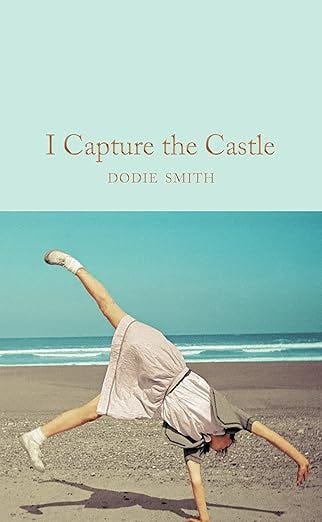
I often think of books that restore our sense of play. For example, Dodie Smith’s I Capture the Castle (who wrote The Hundred and One Dalmatians later) is narrated by Cassandra Mortmain, a witty, observant teenage girl who lives with her eccentric, impoverished family in a crumbling English castle. Her father is a blocked writer, her stepmother is an artist’s model, and her sister Rose longs for a more glamorous life. When two wealthy American brothers arrive nearby, the family’s world changes. It is often recommended as restorative summer reading because it is charming, funny, romantic, and full of atmosphere: old castles, diaries, first love, family chaos, poverty, creativity, longing, and the pleasure of noticing everyday beauty. Essentially, a coming-of-age novel about a young woman writing herself into being, love, and adulthood from inside a crumbling castle. It will most definitely leave you feeling re-energised.
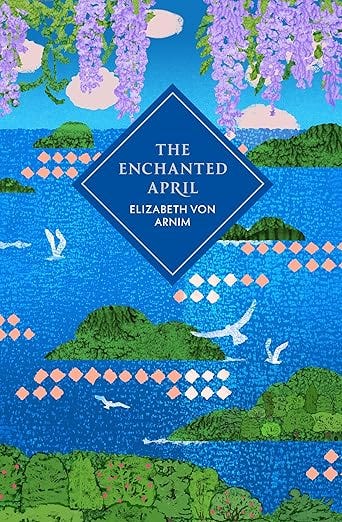
For a sharper, more grown-up version, Elizabeth von Arnim’s The Enchanted April might be an interesting one to pick up. It begins with two unhappy London women, Lotty Wilkins and Rose Arbuthnot, who stumble upon an advert showcasing a small medieval castle in Italy available to rent for the month of April. Both are emotionally starved in different ways: Lotty is trapped in a dreary marriage, while Rose feels lonely and spiritually depleted. They invite two other women in a similar conundrum to join them.
Once they arrive in Italy, the castle, sunshine, gardens, sea air, and wisteria has a soft transformative effect: as the women, surrounded by beauty, friendship, nature and a change of environment, are able to indulge in rest and pleasure, opening themselves to being more honest with themselves and also to love.
A luminous novel about how place and solitude can quietly restore a life.
Books for Sensory Pleasure

For sensory pleasure, I would prescribe Colette. Almost any Colette will do, but Break of Day is especially suited to a slower summer reading practice. Her prose is full of gardens, animals, heat, appetite, ageing, and self-possession. Colette teaches us to read with the skin and sensuality, paying attention to every day beauty - the ripeness of fruit, the quality of morning light, the warmth of a pet.

Elizabeth Jane Howard’s The Sea Change or Rosamond Lehmann’s The Weather in the Streets also offer a change of scene in abundance, while Nan Shepherd’s The Living Mountain, a book about our relationship with nature and the surrounding landscapes, offer a quite atmospheric presences, that almost dissolves the boundary between our bodies and world.
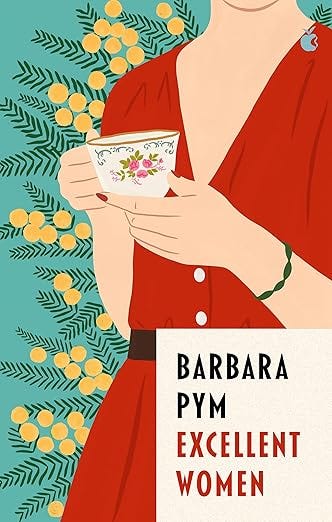
For emotional reset, there are times when we need novels that hold complexity without overwhelming us. Barbara Pym is perfect for this. Excellent Women may look, from the outside, like a small domestic comedy, but its emotional intelligence is profound. Pym’s world of parish life, unpaid female labour, awkward lunches, and quiet disappointments offers a particular kind of consolation: the recognition that ordinary lives are not minor lives.
If you are interested in Bibliotherapy, you might enjoy my book, Bibliotherapy: The Healing Power of Reading or our Online Bibliotherapy Courses.
Share this post
- 0 comment
- Tags: art cure, best books 2026, bibliotherapy summer, restorative reading, summer reading, summer reading 2026, summer reading list